


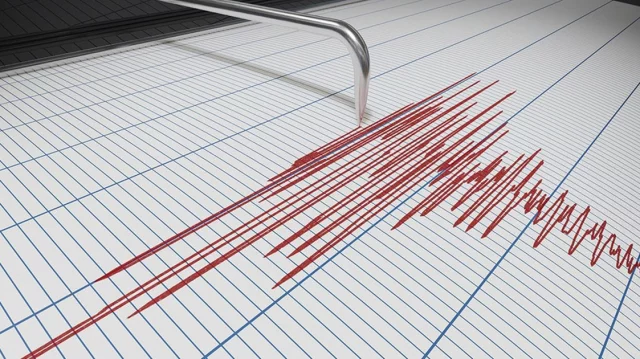
Did you just feel the ground shake? If you are searching for earthquake today, earthquake dhaka today, or earthquake now dhaka, you are far from alone. Millions of residents across the capital city and greater Bangladesh frequently turn to their phones after experiencing sudden, terrifying vibrations. With recent minor to moderate tremors shaking high-rises from Uttara to Old Dhaka, panic is a natural response. But what is really happening beneath our feet?
Bangladesh, particularly its densely populated capital, sits in a complex and highly active tectonic zone. While your immediate concern might be checking whether there was an earthquake today in bangladesh, the broader reality demands our attention. This comprehensive guide breaks down the science behind the recent tremors, details why an earthquake in dhaka is a major concern, and outlines the practical steps you must take to protect your family today.
Is There an Earthquake Today in Dhaka? Understanding Real-Time Tremors
When an earthquake today dhaka occurs, information spreads like wildfire across social media platforms. People immediately query earthquake today বাংলাদেশ or look for real-time seismic data to confirm what they felt. The immediate source for official verification remains the Bangladesh Meteorological Department (BMD) and the United States Geological Survey (USGS).
However, the real issue isn't just the minor rumble felt earthquake dhaka now—it is what these rumbles signify. Seismologists warn that frequent micro-earthquakes (magnitudes ranging from 4.0 to 5.5) indicate substantial stress accumulation along nearby fault lines. For instance, the moderate 5.4 magnitude tremor that struck near Narsingdi heavily jolted Dhaka, causing cracks in several structures and triggering mass panic. It served as a stark reminder that an earthquake bangladesh scenario is not a matter of "if," but "when."
The Science: Why Bangladesh is an Earthquake Hotspot
To understand the threat of a dhaka earthquake, we must look at the structural geology of South Asia. Bangladesh is uniquely positioned at the convergence of three massive tectonic plates:
- The Indian Plate: Moving relentlessly northeast at a rate of approximately 30.6 mm per year.
- The Eurasian Plate: Positioned to the north, pushing back against the Indian Plate to form the Himalayas.
- The Burmese Micro-Plate: Situated directly to the east, creating a highly volatile subduction zone.
The Threat of Dormant Fault Lines
According to a detailed study published by the United Nations Office for Disaster Risk Reduction (UNDRR), Bangladesh is divided into distinct seismic zones. Dhaka sits squarely in Zone II, which represents a moderate-to-high risk category capable of producing earthquakes up to a 6.8 or 7.0 magnitude on the Richter scale.
The primary threats to the capital are the Madhupur Fault, running dangerously close to the city, and the massive Dauki Fault System in the north. If the accumulated tectonic strain along these faults snaps completely, the energy released would trigger a catastrophic earthquake in bangladesh that could impact millions of lives instantly.
Why an Earthquake in Dhaka is Exceptionally Dangerous
A major earthquake bd wide would be problematic anywhere, but a dhaka earthquake today or in the near future poses an unprecedented urban threat. The city's vulnerability is compounded by several non-geological factors:
- Extreme Population Density: Dhaka is one of the most crowded cities on Earth. The sheer volume of people packed into confined spaces dramatically amplifies potential casualty rates.
- Unplanned Urbanization: Thousands of high-rises, residential units, and commercial zones have been built without strictly adhering to the Bangladesh National Building Code (BNBC).
- Soil Liquefaction: Large parts of eastern and western Dhaka (such as areas near the Balu and Buriganga rivers) are built on filled-in wetlands. During heavy seismic shaking, these loose, water-saturated soils lose their strength and behave like a liquid, causing entire buildings to sink or tilt.
- Narrow Roads and Accessibility Barriers: In areas like Old Dhaka, roads are too narrow for fire trucks or rescue vehicles to enter, meaning immediate post-disaster response would be severely crippled.
Experts from the Bangladesh Institute of Planners (BIP) estimate that if a magnitude 7.0 earthquake hits near the city, over 130,000 lives could be lost immediately, and more than one-fourth of the city's buildings could face partial or total collapse.
Immediate Checklist: What to Do During an Earthquake Now Dhaka
If you experience an earthquake now dhaka, your response in the first 60 seconds will dictate your safety. Memorize these critical actions to protect yourself and your family:
If You Are Indoors
- Drop, Cover, and Hold On: Drop to your hands and knees. Take cover under a sturdy piece of furniture (like a heavy wooden table). Hold onto it until the shaking stops.
- Stay Away from Glass: Move away from windows, mirrors, balconies, and heavy hanging light fixtures.
- Do Not Use Elevators: Power outages are guaranteed during a major earthquake today in dhaka. If you are inside a high-rise, use the emergency staircases only after the primary shaking subsides.
If You Are Outdoors
- Find an Open Space: Move quickly away from buildings, streetlights, overhead electric cables, and flyovers.
- Watch for Falling Debris: Brick parapets, glass panes, and commercial billboards are the most common causes of injury during an earthquake today in bangladesh.
How to Prepare Your Home and Family for Future Tremors
Since we cannot predict exactly when the next today earthquake in bangladesh will occur, long-term preparation is our only true defense. Take proactive steps starting today:
Secure Your Home Interior
Fix heavy furniture, bookshelves, wardrobes, and gas cylinders firmly to the walls. In a sudden tremor, unsecured items can easily tip over, blocking exit paths or causing severe injuries.
Pack a Emergency "Go-Bag"
Every household in Dhaka should have an accessible survival kit packed and ready near the main exit. Ensure it contains:
- At least 3 days' supply of bottled water and dry, non-perishable food.
- A fully stocked first-aid kit with essential personal medications.
- A battery-powered flashlight, a whistle (to signal for help if trapped), and a power bank.
- Photocopies of important national identity cards and land documents kept in a waterproof pouch.
Conduct a Structural Audit
If you live in an older building or notice visible cracks developing after a minor earthquake dhaka event, hire a structural engineer to evaluate its seismic resilience. Retrofitting vulnerable buildings can save lives.
Conclusion: Awareness is Our Best Defense
An earthquake today may cause temporary anxiety, but it should ultimately serve as a catalyst for community-wide preparation. We cannot stop the tectonic plates from moving beneath the delta, but through stringent enforcement of building codes, proper individual preparedness, and widespread awareness, we can dramatically reduce the risks associated with a future earthquake in dhaka.
Don't wait for the next tremor to catch you off guard. Share this safety guide with your family, neighbors, and friends across Bangladesh. What actions are you taking today to secure your home? Let us know in the comments below!
